Teenagers often face challenges with self-esteem, and dental care can play a significant role in addressing these issues. A confident smile can positively impact social interactions and academic performance. As parents, understanding the importance of dental care for teens is crucial for their overall well-being.
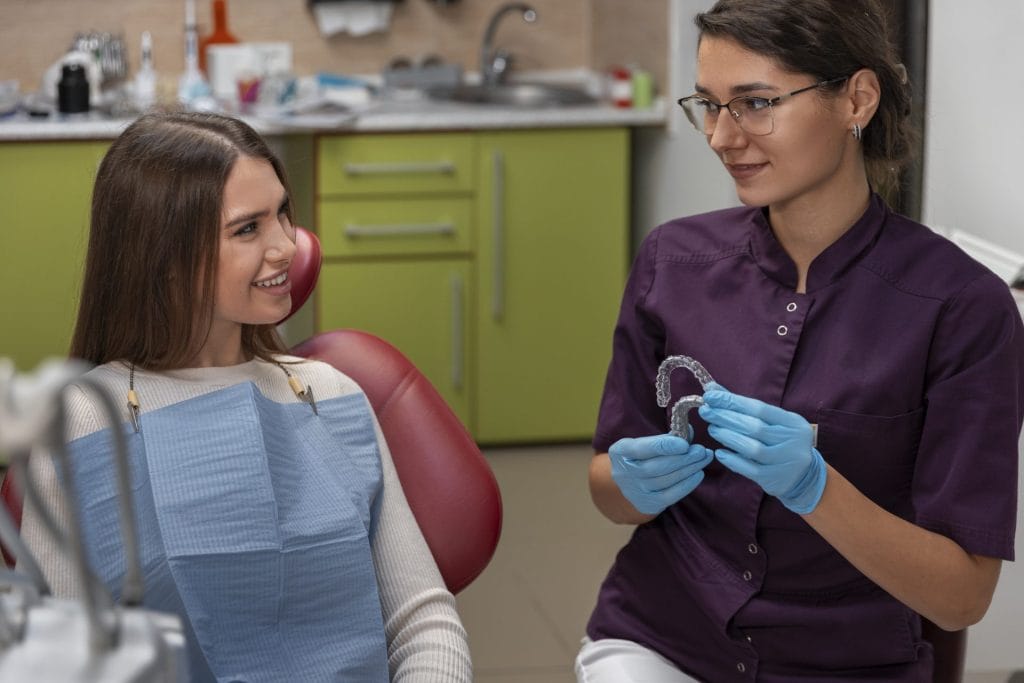
Dental care during adolescence is about more than just maintaining oral hygiene; it’s a key factor in boosting confidence and mental health. The teenage years are crucial for developing self-image, and the condition of one’s teeth can significantly influence self-perception. By addressing dental issues such as misalignment or overcrowding, teens can experience improvements in their social and emotional lives.
Orthodontic treatment becomes an important tool in helping adolescents navigate these formative years with confidence. For more insights, you can explore orthodontics for teens to understand how these treatments can benefit your child.
Improving dental appearance boosts self-esteem
For many teenagers, appearance plays a significant role in their daily interactions. A bright, straight smile can lead to increased self-assurance and positivity. When a teen undergoes orthodontic treatment, the improvement in dental aesthetics can profoundly impact how they view themselves. Imagine a teen who was once hesitant to smile now radiating confidence in social situations. Such transformations highlight the impact of orthodontics on enhancing self-worth.
The journey towards a healthier smile is not just about aesthetics; it also involves building resilience. Teens who go through dental treatments learn patience and perseverance as they await visible results. This process teaches valuable life lessons that extend beyond the dentist’s chair.
Parents can support this journey by celebrating small milestones and encouraging their teens to embrace the changes positively. Sharing stories of other teens who have undergone similar treatments can also provide motivation and reassurance.
Mental health benefits from having a healthy smile
The psychological impact of having a healthy smile is profound. A straight set of teeth often leads to improved mood and reduced anxiety levels in teens. When adolescents feel good about their appearance, they are more likely to engage in social activities and express themselves freely. This newfound freedom can lead to better mental health outcomes as teens develop stronger interpersonal relationships.
Improved self-esteem directly correlates with enhanced mental health. When teens are not preoccupied with insecurities about their dental appearance, they can focus on personal growth and development. Encouraging open conversations about mental health alongside dental care empowers teens to take charge of both their physical and emotional well-being. Parents can further support their teens by providing access to mental health resources and fostering an environment where they feel comfortable discussing their feelings.
Dental care supports social and academic improvements
A confident smile opens doors to better social interactions for teenagers. With increased self-assurance, teens are more likely to participate in group activities and make new friends. This positive shift in social dynamics often translates into academic success as well, with students feeling more comfortable engaging in classroom discussions and presentations.
Parents play a crucial role in supporting their teen’s journey towards improved dental health. Recognizing signs that suggest the need for orthodontic intervention is essential. Encouraging regular dental check-ups ensures that potential issues are addressed promptly.
By fostering an environment where dental health is prioritized, parents help lay the foundation for both social success and academic achievement. Additionally, understanding the importance of licensed orthodontists can ensure that your teen receives the best care possible. By investing in their dental health today, you are setting them up for a future of confidence and success.
Also read:
Why Does My Teen Constantly Lie?
How to Help Teens Cope with Pressure
Image credit: Freepik