You have tried everything. The therapy, the family meetings, the conversations that go nowhere. Your teenager is angry, failing classes, and impossible to wake up in the morning. Before you go further down the behavioral health path, there is something most parents of struggling teens never think to check.
Their sleep.
Not whether they are getting enough hours. Whether they are breathing properly while they sleep.
How Sleep Disordered Breathing Affects Teenagers
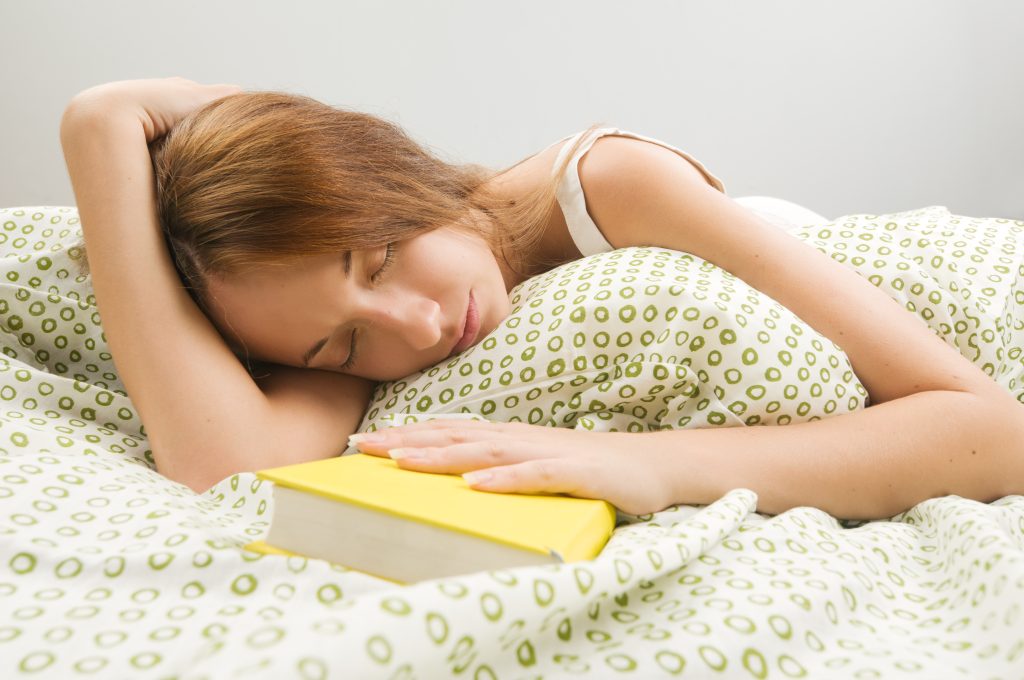
Most people picture sleep apnea as a condition affecting older, overweight adults who snore loudly. That image is outdated and it is causing families to miss what could be the root cause of their teenager’s struggles.
Obstructive sleep apnea happens when the airway partially or fully collapses during sleep, cutting off oxygen to the brain for seconds at a time. This can happen dozens or hundreds of times per night. The brain never drops into deep, restorative sleep because it keeps getting yanked back to the surface to restart breathing.
In teenagers, the consequences are brutal. Their brains are still developing. They need deep sleep more than almost any other age group. When they do not get it, the daytime fallout looks nothing like what adults experience. Adults get sleepy. Teenagers get volatile.
Teen Sleep Apnea Symptoms Parents Mistake for Behavioral Issues
If your teen is showing several of these patterns, sleep disordered breathing deserves a hard look.
Extreme difficulty waking up in the morning. Not normal teenage reluctance. A teen who seems almost drugged, who cannot process conversation for the first hour, who is late to school constantly despite going to bed at a reasonable time.
Declining grades that do not match their ability. Sleep apnea destroys working memory and concentration. A teen who was a solid student and has gradually slipped may not be unmotivated. They may be cognitively impaired by oxygen deprivation every night.
Emotional explosions that seem disproportionate. Rage over small things. Crying out of nowhere. A general inability to regulate emotions that goes beyond typical teenage mood swings. Sleep deprivation attacks the prefrontal cortex first, the exact part of the brain responsible for impulse control and emotional regulation.
Withdrawal and depression symptoms. Teens who stop caring about friends, hobbies, and activities they used to love may be experiencing the motivational collapse that comes from chronic sleep deprivation rather than clinical depression alone. In many cases both are present and the sleep disorder is fueling the depression.
Snoring, gasping, or restless sleep. If you can hear your teenager breathing from down the hall, or their bed looks like a wrestling match every morning, those are not quirks. Those are red flags.
Why This Gets Missed Even by Good Doctors
The teen behavioral health system is not set up to screen for airway problems. A therapist evaluating your teen for depression is not going to ask about snoring. A psychiatrist considering ADHD is unlikely to order a sleep study first. And your teen is certainly not going to volunteer that they snore because they probably do not know it is happening.
This creates a cycle thousands of families get stuck in. The teen gets a behavioral diagnosis. They start medication. Some symptoms improve, others do not. The family cycles through treatments wondering why nothing fully works while the underlying sleep disorder continues untreated, making everything harder to fix.
What Parents Can Do Starting Tonight
Go listen to your teenager sleep. Spend fifteen minutes outside their door after they fall asleep. Listen for snoring, gasping, long pauses in breathing, or constant tossing. Check in the morning to see if their sheets are completely torn apart.
If what you hear concerns you, the next step is straightforward. Search for a sleep center near me that offers home sleep testing for adolescents and young adults. Many families are surprised to learn that sleep studies can now be done at home with a small device your teen wears overnight. It is far less intimidating than a hospital sleep lab and just as accurate.
A proper sleep evaluation measures how many times breathing is disrupted per hour, how far oxygen levels drop, and how fragmented sleep architecture really is. If results reveal a problem, treatment options today go well beyond the bulky CPAP machines most people picture. Oral appliances, laser therapy, and airway focused interventions have changed the landscape completely.
It is also worth having your teen evaluated by a pediatric dentist who understands airway development. Structural issues like tongue ties, narrow palates, and underdeveloped jaws can restrict the airway and contribute directly to sleep disordered breathing. A practice like Hamlin Dental that offers frenectomies and orthodontic care can identify whether your teen’s mouth and jaw are part of the problem.
The Diagnosis That Changes Everything
For some families, a sleep disorder diagnosis is the missing piece that finally makes sense of years of struggle. The anger, the school failures, the withdrawal. Not a character flaw. Not a parenting failure. A medical condition with a medical solution.
This article is for informational purposes only and does not replace professional medical advice.
Also read:
How Technology Impacts Your Teen’s Sleep
How to Help Your Teen Develop Healthy Sleep Habits
Image credit: Freepik, nikitabuida