Raising a confident, emotionally resilient teenager isn’t something that happens in a single conversation. It builds gradually — through the habits they form, the stories they absorb, and the frameworks they develop for understanding themselves and the world around them.
One underrated tool in that process? The books they read — or the ones you read alongside them.
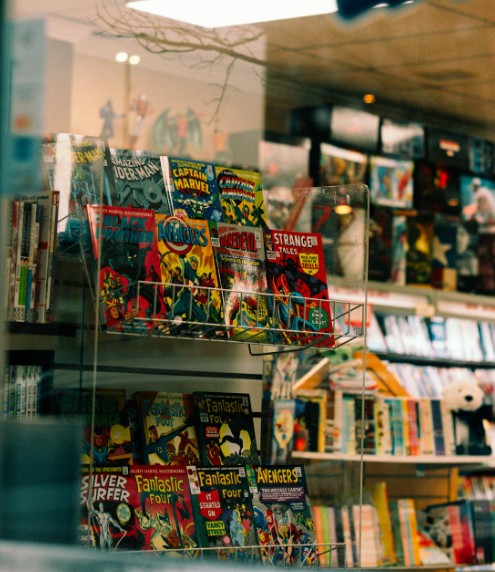
Superhero stories, in particular, do more than entertain. For teens navigating identity, pressure, and uncertainty, they offer something surprisingly useful: a mirror.
Why Superhero Narratives Resonate With Teenagers
Adolescence is defined by big, unresolved questions. Who am I? Where do I fit? What do I do when things go wrong?
Superheroes grapple with versions of the same questions. Their struggles — fitting in despite being different, carrying responsibilities they didn’t choose, failing publicly and having to recover — map closely onto the emotional landscape of teenage life.
What makes these stories hit differently for teens is the nuance. The best superhero narratives don’t offer easy answers. Heroes doubt themselves. They make mistakes with real consequences. They face situations where there’s no clearly right choice.
Teenagers recognize that complexity. And when they do, the story becomes more than entertainment — making personalized superhero books a reference point.
Building Confidence Through Relatable Struggle
Confidence in teenagers rarely comes from praise alone. It tends to grow through exposure to challenges they survive and overcome — and through stories that normalize the process of struggling before succeeding.
Superhero stories reinforce a few key ideas that translate directly to teenage experience:
- Starting uncertain doesn’t mean failing — it means beginning
- Growth is nonlinear and often uncomfortable
- Being capable doesn’t mean never being afraid
When teens see a character they respect move through failure toward growth, it quietly shifts what they believe is possible for themselves. That shift matters more than most parents realize.
Emotional Strength Modeled, Not Lectured
One of the most frustrating challenges of parenting a teenager is that direct advice often backfires. Tell a teen how to handle disappointment, and you’ll get an eye-roll. Show them a character working through it in a story, and they’ll absorb the same lesson without resistance.
Superhero narratives do that work naturally. They model:
- How to face fear without being paralyzed by it
- How to process frustration without letting it control behavior
- How responsibility and consequences are connected
Because these lessons live inside a story, teenagers engage with them on their own terms. They’re not being managed — they’re experiencing something that resonates.
The Shift From Observer to Hero
There’s a meaningful moment when a teenager stops watching a hero from the outside and starts seeing themselves in the role. That shift — from spectator to protagonist — is where these stories have their greatest impact.
For younger teens especially, personalized storytelling can accelerate that connection. Brands like WonderWraps have built on this idea, creating books where the reader is the central character. When a teen sees themselves as the one solving the problem, making the call, and carrying the outcome, the confidence-building effect becomes more direct and personal.
Bringing the Story Into Real Life
The goal isn’t just engagement with the narrative — it’s transfer into real behavior. A few things that help:
- Ask open questions after reading: “What do you think they should have done?”
- Connect story moments to real situations your teen is navigating
- Focus praise on effort and persistence rather than results
These bridges between story and reality are where the lasting value gets built.
A Simple Entry Point With Lasting Returns
In a season of parenting that can feel complicated and high-stakes, superhero books offer something straightforward — a shared language for talking about courage, failure, identity, and growth.
They remind teenagers, in a format they’ll actually engage with, that being a hero was never about being perfect. It’s about showing up anyway.
Sometimes, that’s the message they need most — and the one they’re least likely to roll their eyes at.
Also read:
How to Help My Teen Choose Good Friends
Image credit: Pexels, Sherman Trotz