The Freedom (and Worry) of Letting Teens Ride Solo
Watching your teenager ride off on their own for the first time can bring a mix of pride and anxiety. Cycling gives teens a sense of freedom that represents maturity and trust. For parents, though, that freedom can come with concern about safety and readiness.
Most families focus on helmets, lights, and reflective gear, but emotional maturity matters just as much. A teen who understands responsibility and feels confident in their judgment is far safer than one who simply follows directions. Building that confidence begins long before they set off alone.
Building Your Teen’s Confidence on the Road
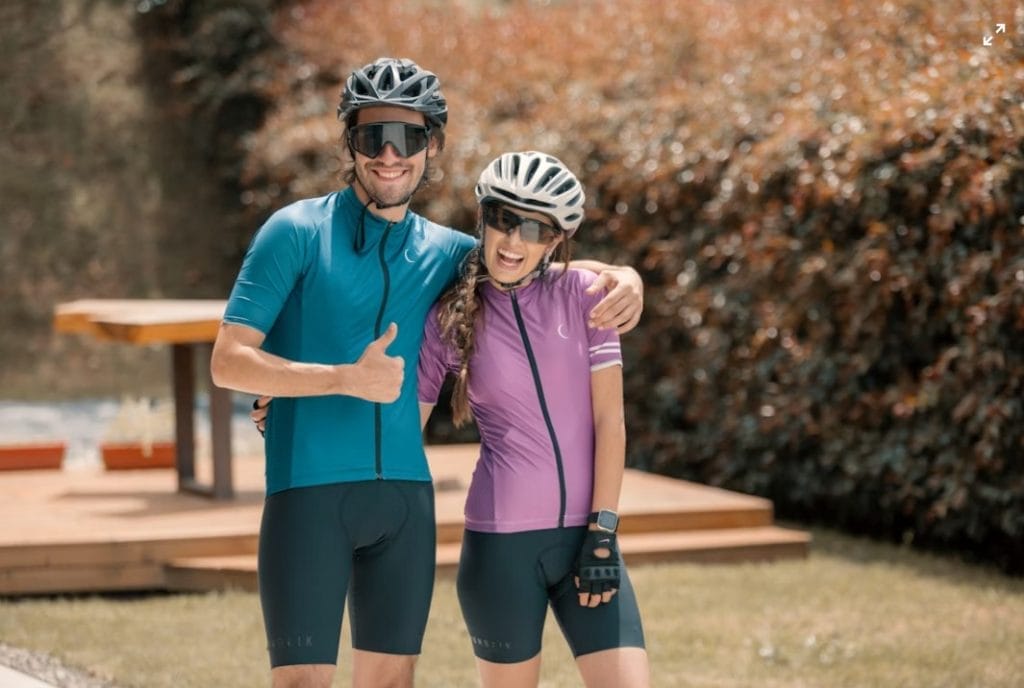
Confidence and safety grow together. Teens who trust their abilities are more likely to make sound choices and less likely to take unnecessary risks. Parents can encourage that balance by offering steady support without stepping in too quickly.
Start with short rides together. Let your teen choose the route and decide when to cross streets or signal turns while you observe quietly. Afterward, talk about what went well and what could be done differently next time. These shared rides help teens learn judgment through experience rather than instruction alone.
Encourage your teen to see cycling as a personal skill, not just transportation. When they connect safety to pride in their abilities, checking their tires, predicting traffic flow, adjusting for weather, they learn that careful preparation brings confidence, not limitation.
From Familiar Streets to Real-World Riding
Once your teen feels steady in quiet neighborhoods, it’s time to help them prepare for more complex routes. City streets and mixed-use trails demand awareness and calm focus. Talk about eye contact with drivers, clear hand signals, and staying visible in dim light.
Encourage your teen to notice how traffic behaves around schools, parks, and shopping areas. Real-world riding means reading the environment and thinking ahead. Riders who anticipate others’ actions stay calmer and make smarter decisions under pressure.
Point out local examples of positive cycling culture. States such as Oregon and Colorado invest heavily in bike-friendly routes that make practice safer. Others, including Florida and Texas, are still improving their infrastructure but face higher accident rates. Understanding how these differences affect risk helps teens adapt to their surroundings and respect local conditions.
Learning from Different States’ Safety Efforts
Every community approaches teen cycling safety differently. In Oregon and Colorado, education often starts early, and cities build paths that separate cyclists from busy roads. Those investments show how much instruction and good design can shape confident riders.
Other areas, like Florida and Texas, face challenges with dense traffic and warmer climates that encourage year-round cycling. These conditions remind families that safety depends on more than skill; it also reflects a community’s commitment to awareness and planning.
In Illinois, cities such as Peoria, Springfield, and Champaign have expanded bike lanes, promoted school safety programs, and added public awareness campaigns. Chicago has introduced protected routes that help new riders gain experience in safer spaces.
Even with these efforts, accidents still happen. When families face serious incidents, many turn to the Peoria lawyers at Chicago Bike Injury Lawyers for guidance on how local laws support young riders and their recovery. Looking at these regional approaches gives parents a practical way to talk with teens about caution, awareness, and self-reliance.
Supporting Teens After a Scare or Close Call
Even the most careful teen can experience a close call that shakes their confidence. A near miss with a car or a minor fall can feel overwhelming, especially for a teen who values independence. Parents can help by listening first and offering reassurance before solutions.
Ask what felt frightening or unexpected and let your teen describe the experience without interruption. When they feel heard, they’re better able to reflect and rebuild trust in their own judgment.
If the situation were serious, emotional recovery might take time. Encourage small steps and regular rides once they’re ready. In some cases, a counselor or coach can help restore confidence. Parents who want more support can review the CDC’s teen safety recommendations, which provide research-based tips for keeping adolescents safe as they gain independence.
Remind your teen that safety isn’t about perfection; it’s about steady awareness that grows with each experience.
Helping Teens Take Ownership of Their Own Safety
As teens grow more independent, the parents’ role shifts from control to mentorship. Real safety happens when young riders take responsibility for their own decisions and understand how those decisions affect outcomes.
Encourage simple, consistent habits before every ride: checking the weather, choosing visible clothing, and keeping a phone charged for emergencies. These routines build accountability and calm focus. When parents express confidence in a teen’s ability to handle themselves, that belief strengthens maturity and self-respect.
If your teen has struggled with fear after an accident or tends to take unnecessary risks, focus on rebuilding self-confidence instead of enforcing restrictions. Parents can find more guidance on helping teens with self-esteem, which offers thoughtful ways to strengthen self-worth and independent decision-making.
Encouraging ownership doesn’t mean pulling away; it means teaching through trust and showing teens how to apply safety lessons with confidence.
Trust, Teach, and Let Go
Letting a teenager ride independently can test a parent’s composure, but every small step toward freedom helps teens grow into capable young adults. Through preparation, calm guidance, and honest conversation, parents can help them face the real world with awareness and confidence.
Trust grows through experience. Teaching safety without fear turns responsibility into empowerment. With patience and consistency, parents can watch their teens ride forward knowing they have the judgment and confidence to stay safe on their own.
Also read:
How Cycling Benefits Teenage Mental Health
How to Help Manage Teenage Depression
Image credit: Unsplash, Munbaik Cycling Clothing