Hearing your phone ring and seeing your teen’s name on the screen can bring a mix of emotions. If they call to say they were in a wreck, your heart probably skips a beat. You might feel a rush of panic as you try to figure out what happened.
Staying calm is the best way to help them through this scary moment. You need a clear plan to handle the scene and the insurance steps that follow. Focus on their safety and health before worrying about the car.
Prioritizing Safety Immediately After The Crash
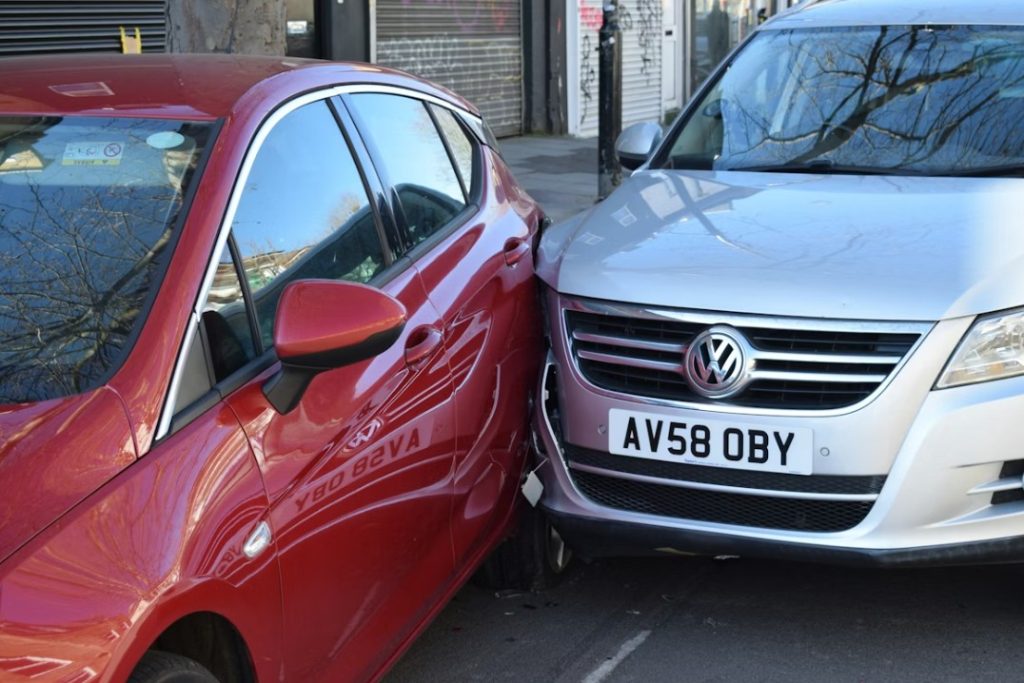
Check if everyone is okay before doing anything else in the area. Your teen should move the vehicle to a safe spot if it blocks traffic and it is safe to do so. This helps prevent further accidents from occurring while they wait for help.
Check if everyone is okay before doing anything else. If your teen needs a car accident attorney in Houston, it helps to have their contact info ready. Professional guidance helps families navigate the complex legal steps after a collision occurs.
Call 911 so police and medics can arrive at the scene quickly. Even small dents need a police report for insurance records later on. Medical professionals can check for injuries that might not be visible at first glance.
Gathering Information At The Scene
Your child needs to swap details with the other driver involved in the event. They should get the name, phone number, and insurance provider of everyone at the location. This information is needed to file a claim later with the provider.
Taking photos of the cars and the surrounding area provides proof of what happened. Have them snap pictures of license plates and street signs to show the exact spot. These images help tell the story of the crash to adjusters.
Getting contact info from witnesses can be very helpful for your records. These people might have seen things your teen missed during the stress of the event. Write down their names and phone numbers so you can reach them if needed.
Understanding Teen Crash Risks
Statistically, younger drivers face greater dangers on the road than older adults do. Data from an Oklahoma health department report shows that drivers between 16 and 19 are nearly 3 times as likely to be in a fatal crash per mile driven. High risk levels mean parents must stay involved in the learning process.
Experience plays a big role in how teens handle sudden road hazards. New drivers often lack the split-second timing needed to avoid a collision in heavy traffic. They might not react as quickly to a car stopping suddenly in front of them.
Distractions like loud music or friends in the car increase these risks significantly. Limiting these factors helps keep young drivers focused on the path ahead of them. Talk to your teen about keeping the cabin quiet and free of distractions.
Communicating With Insurance Companies
Report the accident to your insurance provider as soon as you are able to do so. Stick to the facts when describing the event to the agent on the phone. Do not guess about details if you are not certain of what happened.
Avoid letting your teen give a recorded statement right away. It is better to wait until you have a clear picture of the damages and injuries involved. You want to make sure the information provided is accurate and complete.
- List the policy number
- Note the date and time
- Provide the police report number
- Share the other driver’s info
Keep a file with all the paperwork related to the claim in a safe place. This makes it easier to track the progress of the repairs and medical bills. You should keep copies of every letter or email the company sends you.
Monitoring Health And Hidden Injuries
Adrenaline can mask pain right after a wreck happens on the road. Have your teen see a doctor even if they feel fine at the moment. Some injuries take a few days to show symptoms that a person can feel.
Watch for signs of a concussion or internal issues over the next few days. Headaches, dizziness, or confusion are signs that need medical attention from a doctor. Do not ignore small aches that seem to get worse.
Keep records of all medical visits and prescriptions for your files. These documents are necessary if you need to seek payment for health costs from the insurance. Tracking every visit helps show the full extent of the injuries.
Setting Rules For Future Safety
Establishing clear expectations can prevent future incidents from occurring again. Information from a Colorado safety guide mentions that teens with parents who set clear rules are 50 percent less likely to crash. Supportive monitoring is a key part of keeping young drivers safe on the road.
Discuss the dangers of driving while tired or using a phone behind the wheel. Setting a good example when you drive is the most effective way to teach them safety. They watch what you do more than they listen to what you say.
Create a driving contract that outlines the consequences for breaking road rules. This helps your teen understand the responsibility that comes with having a license. It sets a standard for their behavior every time they start the engine.
Managing Vehicle Repairs And Costs
Get several estimates from local shops to find a fair price for the work. Your insurance company might suggest specific mechanics they prefer you to use for the repairs. You can often choose your own shop as long as the price is reasonable.
Check if the car is safe to drive before putting your teen back behind the wheel. Structural damage can affect how the vehicle protects passengers in a future hit. A mechanic should look at the frame and the safety features.
Be prepared for your insurance rates to change after an accident occurs. Many companies offer safety courses that might help lower those costs. Ask your agent about discounts for young drivers who complete extra training.
Also read:
How to Prevent Distracted Driving
Teaching Your Teen to Be a Responsible Driver
Image credit: Unsplash, Usman Malik