
Heavy coursework, college admissions pressure, and nonstop smartphone notifications are prompting parents to adopt structured emotional-support routines for teens.
Your teenager walks through the front door carrying a heavy backpack and a glowing phone, moving straight from classroom deadlines to a stream of group chats. Watching your child juggle advanced classes, packed extracurriculars, and constant online comparison can leave you feeling unsure about how to step in without sparking an argument.
Small, predictable changes in your home routine make a massive difference before exhaustion turns into complete burnout. By learning to spot quiet warning signs early and setting realistic boundaries around screens and schoolwork, you give your teen the space they need to breathe and reset.
Why Does Modern Pressure Hit Teens So Hard?
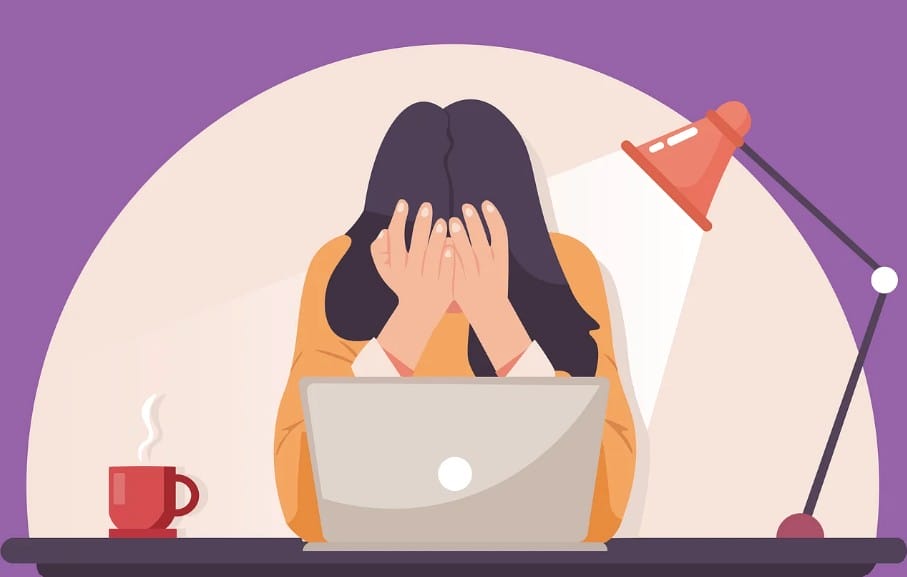
High school demands look very different today than they did a generation ago, because academic competition now follows students home in their pockets. Your teen rarely gets a true break when grade portals update in real time and social media feeds broadcast everyone else’s highlight reels around the clock. According to Pew Research Center, 71% of teen girls and 65% of teen boys report feeling significant pressure to earn high grades.
When every quiz feels tied to college admissions and every evening involves silent social comparison, your teenager’s nervous system stays stuck in high gear. Recognizing that this stress comes from real external pressures helps you approach your child with empathy rather than frustration.
How Can You Spot Early Signs of Teen Burnout?
Burnout rarely announces itself with a single dramatic meltdown, so you have to watch for subtle shifts in your teenager’s daily habits. Paying close attention to how your child sleeps, reacts to minor setbacks, and interacts with friends gives you an early window into their mental load.
Exhaustion often shows up in the body long before your teen admits they feel overwhelmed. You might notice them struggling to fall asleep despite looking tired, sleeping past noon on weekends, or complaining of frequent headaches and stomachaches before school.
When Should You Pair Home Routines With Professional Counseling?
Home routines provide a strong foundation, yet everyday parental support sometimes needs reinforcement from a trained specialist. Local families looking for structured emotional support can connect with therapists in Golden to help adolescents build lasting emotion-regulation skills in a neutral space. When irritability, sleep loss, or academic avoidance lasts more than a few weeks despite your best efforts at home, reaching out for clinical guidance becomes a smart next step.
Working with a licensed counselor gives your teenager practical tools to challenge perfectionism and manage anxiety before they head off to college.
What Daily Boundaries Actually Reduce Digital Overload?
Taking a phone away abruptly usually triggers power struggles, while collaborative routines build long-term self-control. Focus on creating predictable pockets of quiet time that protect your teenager’s sleep and attention without making technology feel like forbidden fruit.
- Create device-free wind-down windows: Collect phones and laptops in a shared charging station 60 minutes before bed so blue light and late-night messages stop interrupting deep sleep.
- Set realistic homework pacing: Encourage your teen to work in focused 45-minute blocks followed by a 10-minute screen-free break to prevent late-night cramming.
- Keep phones out of study spaces: Have your child leave their device in another room while tackling tough assignments so constant notifications do not fracture their concentration.
- Protect screen-free family meals: Establish dinner as a phone-free zone for everyone in the house, including adults, to give brains a guaranteed daily pause.
How Do You Build Low-Pressure Family Check-Ins?
Teenagers shut down when conversations feel like interrogations about missing assignments or screen time limits. Shifting your approach from fixing problems to simply listening transforms daily check-ins into a safe harbor where your child actually wants to talk.
Research from the Walton Family Foundation shows that 62% of young Gen Z respondents want parents to listen when they feel upset, while only 28% want immediate advice. Next time your teen vents about a tough teacher or friend drama, try asking whether they want solutions or just someone to hear them out before offering guidance.
How Can You Normalize Therapy for a Hesitant Teen?
Bringing up counseling works best when you frame it as skill-building rather than a punishment for struggling. Compare seeing a therapist to working with a sports coach or academic tutor, someone in their corner who teaches practical strategies for handling heavy pressure.
Let your teenager participate in choosing their provider so they feel a sense of ownership over the process. Reviewing a few counselor profiles together and starting with an initial introductory session takes the mystery out of therapy and shows your child that asking for help is a sign of strength.
Stepping back from the daily rush to build calmer routines does not require an overnight overhaul of your family life. By pairing consistent screen boundaries and judgment-free listening with timely professional support, you equip your teenager to navigate academic and digital demands with confidence and resilience.
Also read:
How to Help Your Teen Develop Healthy Screen Habits


