It can be extremely frustrating dealing with a person that refuses to get help or recognize their behavior is out-of-control. Parents of struggling teenagers have been battling treatment-resistant adolescents for decades.
How do you help a treatment-resistant teenager that is stubborn, defiant, and flat-out refuses any sort of therapy? Maybe they are using substances, depressed, angry (explosive behavior), or possibly self-harming — yet you are hitting a brick wall when it comes to getting your child professional help.
You can feel powerless when you know your teen needs therapy, yet they refuse any type of assistance. Often at this stage, parents have tried everything they can think of to help, their teen continues to struggle. As parents, we have the life experience and can see where this road will lead for the teen if they do not get help — watching them spiral is not an option.
3 Reasons Why Teens Resist Therapy
1. Stigma and fear. As with most teens, the fear of what their peers will think of them if they are seeing a “shrink.” Being teased, bullied or appearing as a weak person can completely paralyze your child into not getting the help they need. It’s important to let them know that getting help is a sign of strength rather than weakness — and give examples.
2. Misunderstanding of therapy. Teens can be resistant to therapy since many are not familiar with the benefits of it, rather they only know the stigma of it. They are relating it to shame and embarrassment rather than a path to self-improvement — by learning coping skills to handle difficult emotions.
3. Past negative experiences. Did your teen previously attend therapy and sadly the experience was not positive? In some situations, changing therapists can be normal if your child doesn’t seem to bond with the person. Possibly the therapist suggested medication that your teen had a bad reaction to.
How to Help Treatment-Resistant Teens
If you have considered the reasons why your teen is resistant and still are not able to move forward, it’s time to think outside the box of traditional talk therapy.

1. Teen life-coach. Teen life-coaches might not be the answer for all emotional needs, however this can be a start to get your teenager to listen to options. Life-coaches can be more on the level of your teenager, helping them sift through the here and now (not digging into their past) however giving them the tools to make better choices. One of them could be taking the leap into therapy.
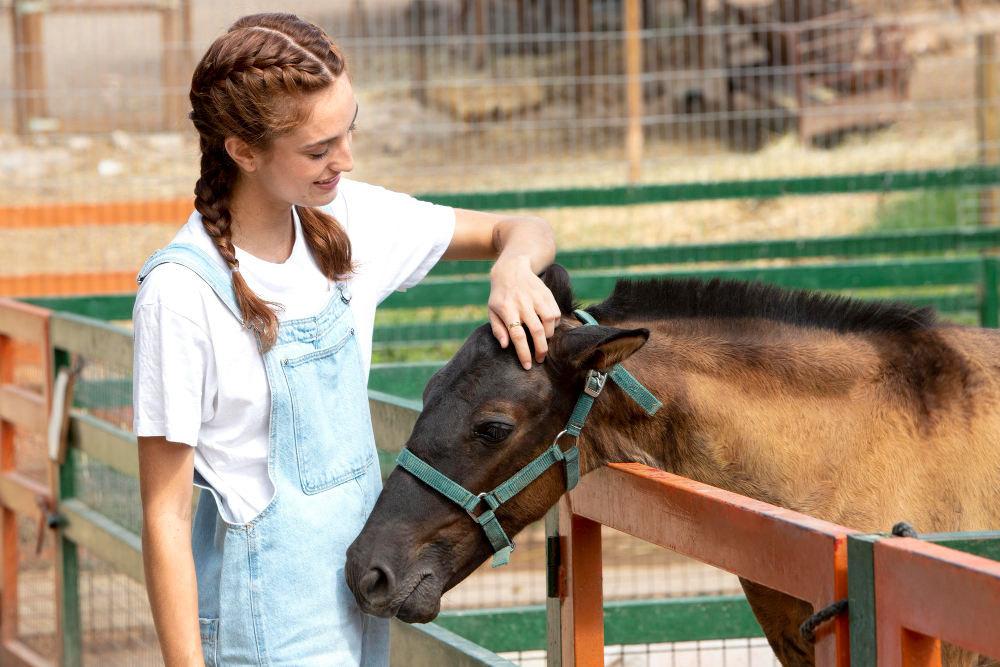
2. Animal therapy. Animal assisted therapy can help teens to feel less stressed, decrease anxiety, become more cooperative and open, gain confidence, and improve interaction with others. They do this by incorporating dogs and/or horses (canine and equine therapy are the most popular) into treatment which helps them with their overall mental health.
3. Art and music therapy. Is your teen creative, do they have an artistic side or did they used to before they started down a negative path? Clinical art and music therapy can be effective for adolescents who usually see it as a nonthreatening form of treatment. The art that the adolescent produces can help the therapist gain some idea of the youth’s concerns and life circumstances, especially those situations that are too risky to reveal or too personally embarrassing to relate.
4. Horticultural therapy. Gardening therapy for teens has specifically shown great promise as an effective way to help combat behavioral issues. Gardening also provides your teen outdoor activity and a sense of pride and accomplishment in watching plants or vegetables grow. It’s can be a rewarding experience that builds their self-esteem.
5. Sports therapy. Exercise has been known to reduce stress and anger among all. Studies reveal and strengthen the age-old belief that mental health and physical health are linked in more than one way. Sports therapy is a way to start energizing both their physical and mental health.
Conclusion
If you are dealing with a teenager that has completely shut down and refuses to attend therapy (online or in person), they have become treatment-resistant to all local resources, it might be time to consider residential therapy.
Therapeutic boarding schools are designed for treatment-resistant students as well as students that are willing to get help. Enrichment programs, such as animal therapy, art and music therapy, culinary therapy, sports, gardening, and more — are the what should be important when searching for the right setting.
What does (did) your teenager have a spark for? It’s crucial to choose a therapeutic program that has accredited academics, a credentialed clinical team – but equally important to choose the enrichment programs to that best fit your child’s needs. With this — their outside the box will be more meaningful to them.
Also read:
Where Can I Send My Troubled Teen
5 Benefits of Therapeutic Boarding Schools
Image credit: Freepik, prostooleh